
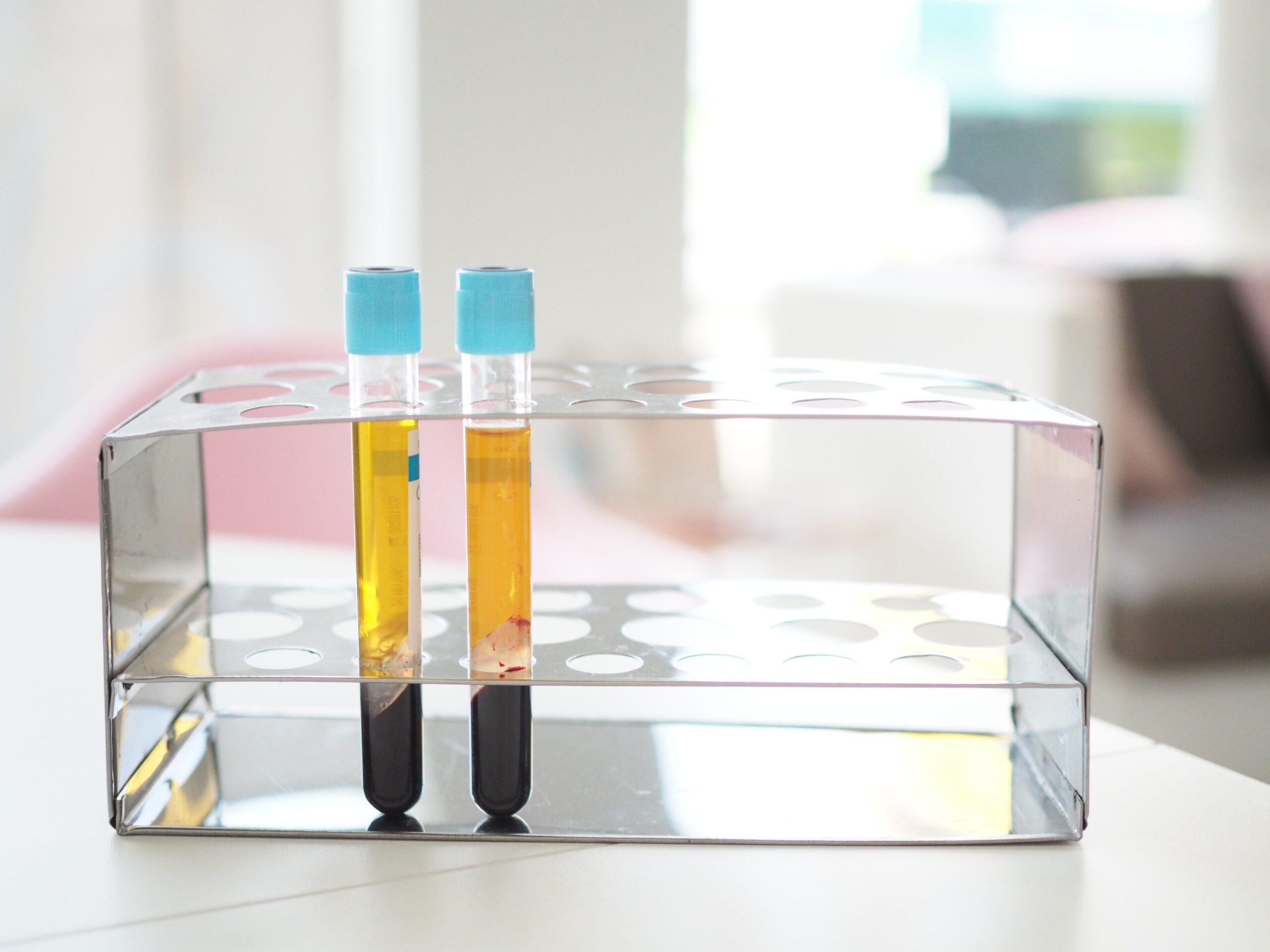
PRP vs Exosomes for Skin Rejuvenation
Skin Aging: Endogenous and Extrinsic Drivers
Skin aging is influenced by both endogenous and exogenous factors. The endogenous factors primarily include the natural aging process, which is difficult to modify through human intervention. Endogenous aging is primarily influenced by the intrinsic biological aging process and is largely resistant to modification through external interventions. In contrast, extrinsic aging results from various environmental factors, including ionizing radiation, alcohol consumption, nutritional deficiencies, environmental pollutants, and most notably exposure to ultraviolet radiation, particularly UVB radiation. UV radiation can stimulate the expression of metalloproteases in the dermis, leading to collagen degradation and can also mediate inflammation through the production of reactive oxygen species, thereby accelerating skin aging.
PRP and Exosomes in Aesthetic Anti-Aging: Mechanisms and Rationale
Platelet Rich Plasma and exosomes both exhibit enhanced functionalities when used in aesthetic medicine. These include moisturizing barrier repair, antioxidant activity, photoprotection, anti-inflammatory effects and skin whitening properties. These diverse anti-aging mechanisms facilitate their integration into cosmetic treatments designed for comprehensive anti-aging applications. However, cutaneous aging is significantly accelerated by two interconnected pathologic factors: one, the inflammatory cascades that compromise cellular integrity, disrupt collagen and elastin homeostasis, and impair epidermal barrier function through the action of pro inflammatory mediators, and two, oxidative stress resulting from the accumulation of reactive oxygen species, which directly contributes to the structural aging of the skin. Therefore, mitigating inflammatory responses and enhancing antioxidant capacity are critical strategies for preventing and decelerating skin aging. Studies have shown that both exosomes and platelet rich plasma inhibit oxidative stress and reduce intracellular reactive oxygen species production by activating cellular pathways that combat this stress and promote production of collagen and elastin.
Which is a better vehicle for aesthetic anti-aging applications?
Platelet Rich Plasma (PRP) and Platelet Rich Fibrin (PRF): Definitions and Delivery
Platelet Rich Plasma is an autologous blood derived concentrate rich in cytokines, growth factors and bio active proteins. This resulting concentrate contains growth factors such as platelet derived growth factor, transforming growth factor-beta, vascular endothelial growth factor and epidermal growth factor and others implicated in tissue repair and collagen synthesis. PRP is a liquid applied via intradermal injection or by microneedling.
Platelet Rich Fibrin is also an autologous blood derived concentrate that is produced when the PRP is processed and allowed to form a clot. This clot is a fibrin matrix, rich in platelets, leukocytes and growth factors. The fibrin scaffold provides a more sustained release of bioactive molecules when compared to the PRP. This can then be injected for facial rejuvenation and wrinkle reduction.
Exosomes: Biologic Definition and Preparation
Exosomes are extracellular vesicles released by cells as part of intracellular communication. They are typically isolated from cell culture supernatants of mesenchymal stem cells or other engineered cell sources using ultracentrifugation, filtration, or other purification methods. Exosome preparations contain proteins, lipids, and nucleic acids capable of modulating cellular behavior.
Efficacy inFacial Rejuvenation
PRP/PRF
Multiple studies have shown that PRP/PRF improves skin thickness, elasticity, fine lines, texture, and some parameters of dyschromia, with most studies noting statistically significant improvement over baseline. Patient satisfaction has been reported as high in these studies and adverse events limited to mild transient events such as redness and swelling. A focused periorbital rejuvenation review found that PRF improved skin texture and creepiness whereas PRP showed a stronger efficacy for pigmentation improvement.
Exosomes
Human clinical evidence for exosome use in facial rejuvenation is still emerging. A notable split phase trial combining exosomes with radiofrequency microneedling showed both PRP and exosomes produced comparable improvements in wrinkling, texture, and pigmentation parameters. Comprehensive literature reviews highlight a promising early outcome for exosome applications in facial skin rejuvenation and hyperpigmentation, though the diversity of products and the lack of standard protocols limit broad conclusions.
Safety Considerations for PRP/PRF and Exosomes
PRP/PRF are derived from autologous blood, so risk of immunologic reactions is minimal. Reported adverse effects are generally mild and transient, such as injection site redness, swelling and or bruising. No serious adverse events are consistently documented in aesthetic applications and no long-term safety events have been reported. Therefore, safety appears favorable based on the published studies.
Exosome therapies, especially those derived from non-autologous sources, carry the theoretical risk of immune reactions or contamination and regulatory agencies such as the FDA consider many exosome preparations investigational outside of clinical trials. There is limited long term safety data, however mild transient effects such as redness or swelling have been reported in the literature with no serious adverse effects being reported and considered to be rare occurrence in clinical studies.
Satisfaction and Utilization in Aesthetic Practices
PRP/PRF: Multiple studies reported satisfaction scores that have been consistently positive reflecting perceived improvements in skin appearance even when objective measures were modest.
Exosomes : Clinical satisfaction metrics in controlled studies are emerging but generally positive. In split face trials, patients generally noted similar improvements on exosome treated and PRP treated sides.
Utilization: PRP/PRF are widely utilized in aesthetic clinics often combined with microneedling or lasers. Exosomes are newer and often marketed as the next generation of regenerative agents, sometimes combined with microneedling to facilitate deeper dermal delivery.
Which is the better choice in aesthetic applications?
Both PRP/PRF and exosomes offer promising regenerative approaches for facial regeneration and rejuvenation. PRP/ PRF is an autologous growth factor rich biologic with significant clinical experience and safety profiles. Exosomes are emerging as a cell free biologic that potentially provides a broader signaling modulation but there is limited long term data and appreciably higher cost. Since there is no comparison studies in the current literature between PRP and exosomes, the choice between these modalities should be guided by patient goals, budget, clinical context, and evidence expectations, as well as careful consideration of regulatory and safety standards.
At the present time, this author does not favor one modality versus the other, certainly both could be utilized for a gold standard treatment in aesthetic applications.
Studies and Evidence Base
Efficacy of Platelet Rich Plasma in Facial Rejuvenation: A Systematic Review
Enferm Clin 2025 Sep-Oct;35(5):502161 PMID 40118148
Aim: To evaluate the effects of PRP in facial rejuvenation.
Conclusion: Clinically, 4 studies indicated that PRP improves wrinkles and skin texture. Histologically, this substance induced a cascade of growth factors that increased dermal density, reducing wrinkles and improving skin luminosity and hydration. Therefore, Platelet Rich Plasma may be effective for facial rejuvenation based on histological results and patient references.
A Systematic Review of Platelet Rich Plasma Versus Platelet Rich Fibrin for Periorbital Rejuvenation
J Cosmet Dermatol 2025 Nov;24(11):e70524
Background: Platelet Rich Plasma and Platelet Rich Fibrin have become popular autologous options for facial rejuvenation due to their regenerative potential and favorable safety profiles. The periorbital region remains one of the most challenging treatment sites as conventional approaches, such as hyaluronic acid fillers, carry a risk of complications and may not provide a natural sustained result. This systematic review aims to compare injectable PRP and PRF in periorbital rejuvenation with emphasis on treatment protocols, efficacy, adverse effects and patient reported outcomes.
Conclusion: PRF shows promise in improving periorbital texture and fine lines, while PRP appears more effective for pigmentation. Current evidence does not support the superiority of one modality over the other.
Systematic Review of Platelet Rich Plasma and Platelet Rich Fibrin in Facial Rejuvenation
Ann Plast Surg 2025 Apr 1;94(4S Suppl 2):S376-S389 PMID 40167104
Background: Platelet Rich Plasma and Platelet Rich Fibrin are promising treatments for facial rejuvenation, leveraging growth factors to stimulate natural tissue repair and regeneration. Despite their growing popularity, their effectiveness remains controversial with studies yielding mixed results. This systematic review evaluates the current evidence on PRP/ PRF therapies and their effect on the following six key parameters of facial aging: wrinkles, texture, dyschromia, elasticity, skin thickness, and hydration.
Conclusions: This systematic review identified skin thickness and elasticity as the facial aging parameter with the strongest evidence of improvement following PRP/ PRF treatment. While skin hydration showed the weakest.
The Efficacy of MSC-Derived Exosome Based Therapies in Treating Scars, Aging and Hyperpigmentation: A Systematic Review of Human Clinical Outcomes
MDPI 2025 Dec 17;8(4):268 PMID 41441544
Background: Recent advancements in regenerative medicine have introduced mesenchymal stem cell derived exosomes as a novel therapeutic approach. Exosomes are extracellular vesicles containing proteins, lipids, and RNA, capable of modulating cellular behavior and promoting tissue regeneration. A systematic review of human studies is warranted to summarize outcomes, assess therapeutic value, and guide clinical applications. This systematic review synthesizes current evidence on mesenchymal stem cell derived exosomes for cutaneous scars, aging, and hyperpigmentation with a focus on functional and aesthetic outcomes.
Conclusions: Early human evidence suggests that exosomes may offer potential therapeutic benefits for scars, hyperpigmentation, and skin aging with favorable short term safety profiles. However, the current evidence remains preliminary due to small sample sizes, heterogeneous study designs, and limited follow-up durations.
Exosomes for Aesthetic Dermatology: A Comprehensive Literature Review and Update
J Cosmet Dermatol 2025 Jan;24(1):e16766 PMID 39764639
Background: Exosomes are nanoscale vesicles derived from various cell types and tissues that have many potential applications, generating great interest from researchers. One particularly intriguing application of exosomes is their use as a direct therapeutic for aesthetic indications. Several studies and case reports have explored the impact of exosomes for numerous cosmetic concerns but a consensus on the outcomes of these studies has not been established. In this review, we summarized the proposed mechanism of action, application, and efficacy of treatments with exosomes for alopecia and hair rejuvenation, facial rejuvenation, hyperpigmentation, and scars.
Conclusion: Exosomes may serve as a potentially beneficial therapeutic option for several aesthetic dermatologic indications, but further investigation is required to fully characterize the scope of their application.
Exosomes in Cosmetic Dermatology: A Review of Benefits and Challenges
J Drugs Dermatol 2025 Jan 1;24(1):12-18 PMID 39761139
Background: Exosomes are small extracellular vesicles that play a critical role in cellular communication transporting proteins, lipids and nucleic acids between cells. This literature review focuses on evaluating the potential benefits and limitations of exosomes in enhancing skin health and aesthetics through indications such as skin rejuvenation, hair restoration and pigmentation disorders.
Conclusion: While exosomes hold significant potential for non-invasive cosmetic dermatology, there are challenges that need to be addressed, including the standardization of exosome isolation and characterization, the establishment of safety profiles, and the conduct of extensive clinical trials.
Juventix Regenerative Medical Solutions for Aesthetic Professionals
Juventix Regenerative Medical is an industry leader in the regenerative medical field. Our Platelet Rich Plasma Kits are FDA cleared and designed for safety, sterility, effectiveness and ease of use. They provide a reproducible platelet concentrate, devoid of red blood cells with a small number of leukocytes, that are needed for the regenerative process.
Juventix LED Platelet Activator for Growth Factor Release
Juventix Regenerative Medical provides an LED Activator to activate the platelets and begin the regenerative process. This activation is a critical step in the release of growth factors, cytokines and bio active proteins from the granules that are contained on the platelets and is accomplished by LED light. This negates the use of chemical additives such as calcium chloride, thrombin or collagen. This mode of activation by LED light provides sustained growth factor release versus older methods of activation, while adhering to the minimal manipulation standards of the FDA.
Juventix Bio-Incubator for Injectable Platelet Rich Fibrin
Juventix Regenerative Medical offers the Bio-Incubator. This device transforms the Platelet Rich Plasma into an injectable Platelet Rich Fibrin. The Platelet Rich Fibrin is often called “the second generation of platelet products” and has different cytokines and growth factors than the original PRP. These cytokines and growth factors create an anti-inflammatory microenvironment and can be utilized when an anti-inflammatory treatment is desired.
Juventix Product Portfolio for Regenerative and Aesthetic Clinics
Juventix Regenerative Medical has a vast array of products, devices and services tailored for the medical and regenerative professional. Our premier line of products includes a patented Biotin PRP kit for hair restoration and a non-crossed linked hyaluronic acid kit for aesthetic filler applications. Through our collaboration with tissue product regenerative companies, such as New Life Medical, exosomes and other products are available.
Enhancing Clinical Outcomes and Patient Satisfaction
Juventix Regenerative Medical is poised to aid any medical or aesthetic professional in enhancing clinical outcomes while increasing patient satisfaction.
RESTORE, REVIVE, REGENERATE- JUVENTIX REGENERATIVE MEDICAL
Regenerative Regards,
Dr. Robert McGrath