

Male and Female Sexual Health and Peptides
Sexual dysfunction affects over 40% of women and 30% of men globally and arises from complex interactions among neuroendocrine signaling, vascular physiology, psychological factors, and systemic disease. Peptide therapeutics represent a novel pharmacological class targeting central nervous system libido circuits, hypothalamic pituitary gonadal axis regulation, and peripheral vascular pathways. Sexual dysfunction, including erectile dysfunction, hypoactive sexual desire disorder (HSDD), female sexual arousal disorder (FSIAD), and infertility, represent a major global health burden. While phosphodiesterase 5 inhibitors and hormonal therapies remain first line treatments, peptide-based therapeutics have emerged as novel neuromodulatory and endocrine agents targeting central and peripheral pathways of sexual dysfunction. This review evaluates the mechanistic biology, clinical efficacy, safety profile, ongoing research, and economic implications of peptides currently being studied or utilized in sexual health.
Neurobiology and Molecular Pathways
Central Libido Network of the Brain:
A. Medial preoptic area
B. Hypothalamus
C. Nucleus accumbens
D. Amygdala
E. Prefrontal cortex
Neurotransmitters and Peptides that act centrally:
A. Dopamine
B. Nitric oxide
C. Melanocortins
D. Kisspeptin
E. Oxytocin
F. Gonadotropin -releasing hormone (GnRH)
G. Beta-endorphin
Sexual motivation emerges from dopaminergic activation of mesolimbic pathways modulated by melanocortin and kisspeptin signaling. Bremelanotide (PT-141) activates melanocortin receptors in the hypothalamus, increasing dopamine release and sexual desire.
Peripheral Pathways
Male physiology
Nitric oxide modulates guanylate cyclase to cGMP, stimulating smooth muscle relaxation causing an erection.
VIP, prostaglandins and acetylcholine modulate cavernosal blood flow in the penis.
Male sexual dysfunction is caused by vascular or endothelial dysfunction, neurogenic, endocrine or psychogenic etiologies. Peptides primarily target central causes rather than vascular insufficiency.
Female physiology
Genital vasocongestion and lubrication are regulated by nitric oxide, estrogen and autonomic signaling.
Hypoactive Sexual Desire Disorder is the most prevalent female sexual disorder affecting 10% of women. Female sexual dysfunction is more strongly influenced by CNS and psycho-social factors, making neuropeptides extremely relevant in the treatment of this disorder.
Peptides influence these pathways indirectly (central modulation) or directly (vascular signaling).
Peptides in Sexual Medicine
Melanocortin Agonists (Bremelanotide/PT-141, Melanotan II)
PT141 is a melanocortin receptor agonist that stimulates MC4 and MC3 receptors in the brain enhancing sexual arousal via central mechanisms rather than blood flow unlike PDE 5 inhibitors such as Viagra. It works on the libido, not just performance. PT141 increases erectile activity and hypothalamic neuronal activation in humans and animal models.
In males, melanotan II induced erections in most men with psychogenic erectile dysfunction in placebo-controlled trials. It increased sexual desire and penile rigidity in these studies and it was documented to enhance sexual performance.
In females in phase three trials, there was statistically significant improvement in the sexual desire and reduced distress in hypoactive sexual desire disorder when PT141 was administered. MC4 receptor agonism enhanced sexual brain processing and desire in women in these studies.
Bremelanotide is currently the only peptide with robust human studies in both sexes.
Kisspeptin (KISS-1 derived peptides)
Kisspeptin functions in fertility support, hormone regulation and stimulation of the HPG axis. Kisspeptin stimulates GnRH neurons, promoting the release of LH and FSH. This is vital for reproductive signaling. It stimulates fertility and supports testosterone production without suppressing natural hormone rhythms. It also has direct modulation of the limbic sexual processing networks. Human trials in men with hypoactive sexual desire disorder, kisspeptin significantly modulated sexual brain activity and increased sexual desire. Kisspeptin acts as a bridge between the endocrine system function of sexual health and motivational aspects of sexuality.

Oxytocin can help with anxiety relief, social connection and intimacy support.
Oxytocin
Oxytocin is a neuropeptide hormone produced in the hypothalamus and secreted by the pituitary gland. It facilitates bonding, orgasm and arousal via the hypothalamus and limbic circuits. Oxytocin modulates dopaminergic and serotonergic tone. Human studies show the effects are more pronounced in the psychosexual domain. It also helps with anxiety relief, social connection and intimacy support. However, the effects on social behavior vary with the individual.
Gonadotropin Peptides (GnRH, hCG)
This is a group of peptides utilized for fertility support. Gonadorelin is a synthetic GnRH that stimulates the pituitary to release LH and FSH. Used to restore hormonal balance in both men and women. hCG (Human Chorionic Gonadotropin-peptide hormone) restores fertility by supporting testosterone production. hCG mimics luteinizing hormone (LH) by stimulating Leydig cells in the testes to produce testosterone.
These peptides have an indirect enhancement of libido and erectile function. The clinical relevance is strongest in hypogonadism rather than primary sexual dysfunction.
Other Peptides utilized in sexual health:
A. Vasoactive Intestinal Peptide- vasodilation of the corpus cavernous
B. BPC-157- angiogenesis and nitric oxide signaling
C. TB-500- tissue repair
D. GHK-Cu- angiogenesis and neurogenesis
E. Melanotan II- CNS libido activation
F. CJC-1295- GH axis that stimulates libido indirectly
G. Tesamorelin- indirect enhancement of testicular steroidogenesis
Proposed Peptide Stacks for ED (Neurovascular erectile dysfunction):
1. PT-141
2. VIP
3. hCG or GhRH analogs
4. PDE-5 inhibitors (non-peptide adjunct)
As peptides alone do not reliably restore severe vasculogenic erectile dysfunction, these peptides work by CNS libido activation from the melanocortins, nitric oxide/cGMP pathway by the PDE 5 adjunct and endocrine support by hCG.
Proposed Sexual Peptide Stack for females:
1. Bremelanotide (PT-141)
2. Kisspeptin
3. Oxytocin
Female sexual desire is more strongly influenced by CNS motivational circuits then general blood flow.
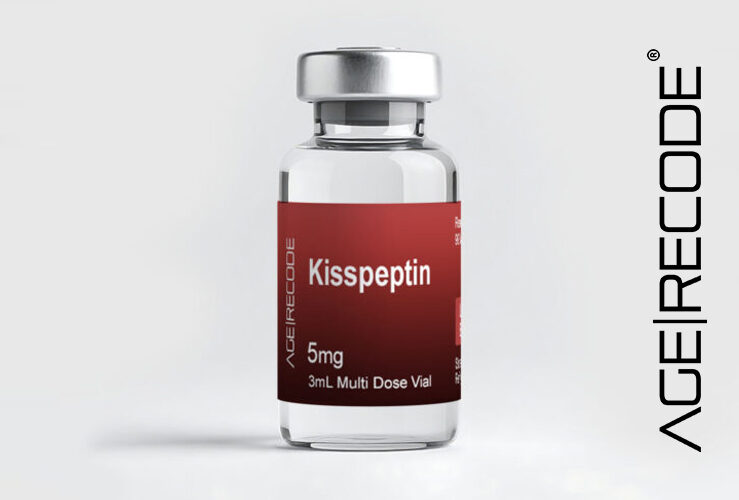
Kisspeptin From AGE|RECODE
Proposed Regenerative Peptide Stack for both sexes:
A. BPC-157
B. TB-500
C. GHK-Cu
Although no high-quality study exists, these peptides may stimulate neurovascular repair and angiogenesis, therefore improving genital function.
Peptide therapeutics represent a paradigm shift in sexual medicine by targeting central neuroendocrine mechanisms rather than purely vascular or hormonal pathways. Bremelanotide and Kisspeptin provide the strongest evidence for clinically meaningful effect on sexual desire in women and men, respectively. However, the widespread use of peptide stacks remains scientifically unjustified due to limited clinical evidence, unknown long-term safety, and regulatory ambiguity. Future progress will depend on rigorous randomized trials.
Studies Related to Sexual Health and Peptides
Objective: To evaluate the safety and efficacy of bremelanotide for the treatment of premenopausal women with hypoactive sexual desire disorder.
Conclusions: Both studies demonstrated that bremelanotide significantly improved sexual desire and related distress in premenopausal women with hypoactive sexual desire disorder. The safety profile was favorable. Most treatment emergent adverse events were related to tolerability and the majority were mild or moderate in intensity.
Abstract: Kisspeptin was identified in 2003 as a key peptide regulating the hypothalamic pituitary gonadal axis in females. Kisspeptin neurons in the anteroventral periventricular nucleus transfer estrogen positive feedback to gonadotropin releasing hormone neurons to trigger ovulation, whereas kisspeptin neurons in the arcuate region are important for pulsatile GnRH release in both sexes. Kisspeptin neurons in the amygdala influence male sexual behavior, whereas the AVPV/PeN population governs female sexual behavior. Kisspeptin administration activates brain regions such as the amygdala in men and the hippocampus in women, indicating potential therapeutic benefits for sexual dysfunction. Kisspeptin therapy presents challenges due to its broad distribution in the body, it’s short half-life and the need for precise delivery and dosage to avoid off target effects and disruption of the normal HPG axis functioning. Future studies focusing on sex specific effects and interactions within the neuroendocrine system will help the understanding of the broader physiological roles and improving delivery methods of kisspeptin. This will be key to unlocking the therapeutic potential in the future.
Abstract: Oxytocin neurons comprise a large portion of the Sim 1 neuron population and are found in the paraventricular nucleus (PVH) and supraoptic nucleus (SON) downstream of proopiomelanocortin polypeptide (POMC). Oxytocin neurons have been heavily implicated in mediating sexual behavior in both animals and humans. These neurons are postulated to mediate the effects of MC4 receptor agonists on partner preference and sexual function.
Introduction: Female sexual dysfunction affects approximately 40% of women in the United States, yet few therapeutic options exist for these patients. The melanocortin system is a new treatment target for hypoactive sexual desire disorder (HSDD) but the neuronal pathways involved are unclear.
Discussion: These results implicate MC4R signaling in the oxytocin neurons in sexual behaviors and MC4R signaling in the Sim1 neuron in female sexual receptivity, while suggesting melanocortin driven sexual function does not rely on metabolic neural circuits.
Introduction: Therapeutic peptides have emerged as promising agents in sexual medicine, offering novel approaches for treating various sexual health conditions. These peptides which are comprised of short chains of amino acids, play critical roles in protein synthesis and vital bodily functions. The objective of this study is to provide a comprehensive narrative review of therapeutic peptides commonly used in sexual medicine, examining their mechanisms of action, efficacy, safety profiles, and potential clinical applications.
Results: The review examined 7 key peptides; Ipamorelin and Sermorelin demonstrated effects on growth hormone secretion, though ipamorelin has been banned by the FDA due to safety concerns. Kisspeptin showed promise in treating hypogonadotropic hypogonadism and sexual desire disorders by modulating the hypothalamic pituitary gonadal axis. Oxytocin demonstrated potential benefits for both sexual function in both men and women, particularly regarding arousal and orgasm. Melanotan II and PT 141 (bremelanotide) showed significant pro-erectile effects and increased sexual desire, with PT 141 receiving FDA approval for hypoactive sexual desire disorder in premenopausal women.
Conclusion: While therapeutic peptides show promise in treating various aspects of sexual dysfunction, more research is needed to fully understand their long-term safety profiles and optimal clinical applications. The central mechanisms of action of several peptides suggest potential for use either as a primary or adjunct therapies in sexual medicine, particularly for conditions where current treatments are limited or ineffective.

Peptides are for research purposes only and should be administered under the direction of a medical professional.
RESTORE, REVIVE, REGENERATE
Regenerative Regards,
Dr. Robert McGrath